
Assistive technologies are a helpful tool that allows individuals to work on tasks effectively. It doesn’t require individuals to take the help of others to work effectively. Similarly, these assistive technologies also help those who are suffering from disabilities. It can help them in various ways such as walking, eating, writing, reading, sleeping, hearing, etc. Just like this, individuals suffering from ADD/ADHD can make use of these assistive technologies in order to carry out their tasks according to their will. This article will discuss some of the assistive technologies that are available today for individuals suffering from ADD/ADHD.
Attention Deficit Disorder (ADD) / Attention Deficit Hyperactivity Disorder (ADHD) is a disability that usually occurs in children or teens but can also continue into adulthood. It is recognized as a mental disorder of children where the children can or may be hyperactive and unable to control themselves or their behavior. Some of the symptoms of ADD/ADHD include getting easily distracted, not being able to finish tasks on time or not following instructions, not listening, not paying attention, forgetting about daily tasks, having problems organizing or managing stuff, etc.
Download free Parenting Tips for children with ADHD infographic
Assistive Technologies can help individuals in a variety of ways, especially those who are suffering from some kind of disability. Assistive technology can help individuals suffering from ADD/ADHD live their lives more effectively than they were to live without it. For example, it can help them read, write, walk, listen, read, see, cook, etc. Assistive technologies have proved to be beneficial for any individual, irrespective of whether they suffering from a disability or not.
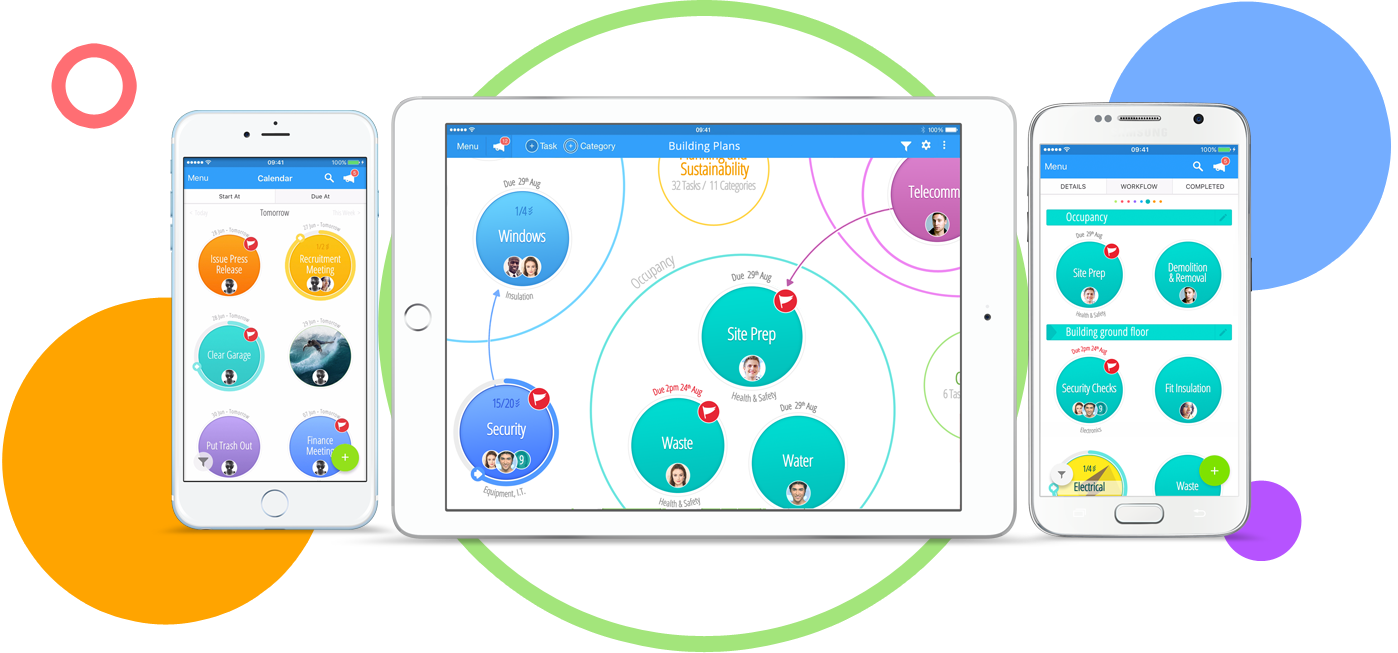
Droptask is an assistive technology that helps individuals get their things done. If individuals suffering from ADD/ADHD are having a hard time getting their things done, then they can use Droptask to help them out. Some key features of Droptask would be mapping out each project cycle using Kanban-style boards to showcase different stages of the projects, a built-in calendar to manage schedule and plan for upcoming work, uploading the file, setting reminders, and sending in messages in one space, connecting with other assistive technologies such as Google Drive, Gmail, Evernote, Dropbox, etc.
This assistive technology is perfect for students, teachers, office workers, and construction workers who suffer from ADD/ADHD to get their things done faster and reliably.
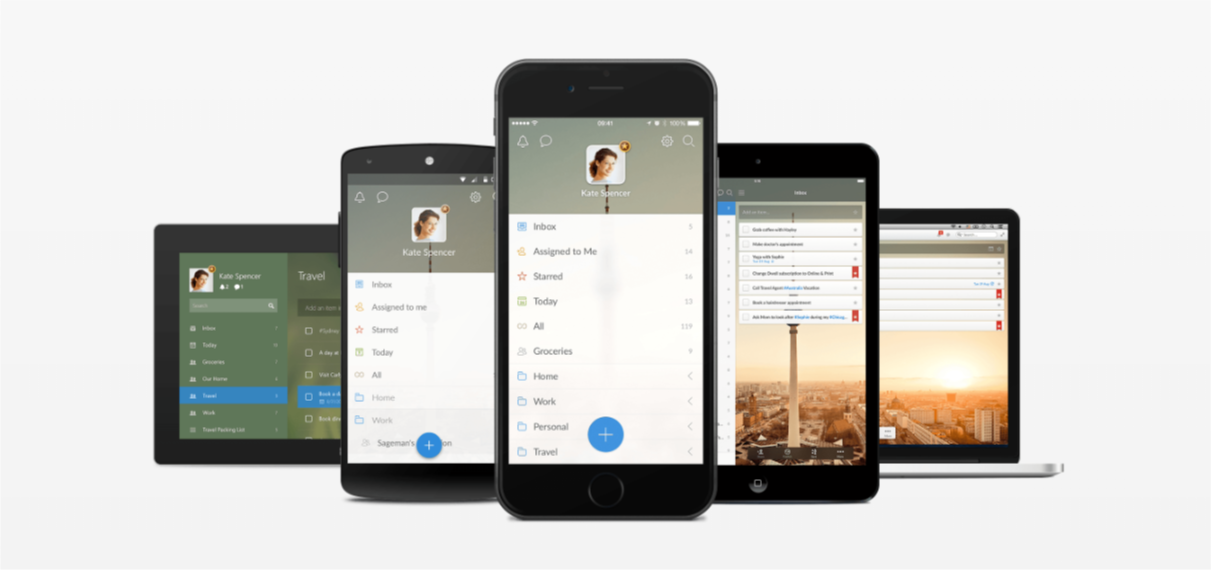
Wunderlist is an assistive technology that is built to help its users work more productively. Wunderlist allows its users to make a to-do list of all personal or professional stuff whether it’s planning a holiday, shopping list, or work projects. This type of assistive technology is best for those suffering from ADD/ADHD as they tend to forget stuff or have a hard time remembering it.
Some of the key features of Wunderlist are that it allows its users to plan for anything, allows them to set due dates, and reminders, and assign to-do lists, allows them to collaborate with other individuals by sharing the list and working collaboratively and accessing from anywhere on any device. Moreover, this assistive technology can help students and office workers track their work or others work on various projects and assignments.
XMind is friendly software that makes it easier for its users to be more productive. Individuals suffering from ADD/ADHD, particularly students and office workers can use it to get their work done easily. Some of the key features of Xmind are mind mapping, creating business charts, brainstorming, presentation mode that allows users to view and present their ideas, slide-based presentation, Gantt view, fresher workspace UI, clip art, and much more. This assistive technology can help get work done faster and more productively.
Download free Myths & Facts about ADHD in Children infographic

Learning Ally is a technology that is designed for individuals who are facing difficulties while reading. This is a perfect technology for those individuals suffering from ADD/ADHD as it allows them to read effectively. Learning Ally is an assistive technology that is designed for students and other individuals who learn through listening.
Students suffering from ADD/ADHD can use this technology to complete their homework or assignments, while adults can use it for work purposes. Some of Learning Ally’s key features is customized audio speed, text size, word highlighting, bookmarking notes, jumping to different pages or chapters, and much more. It’s highly recommended for students suffering from ADD/ADHD.
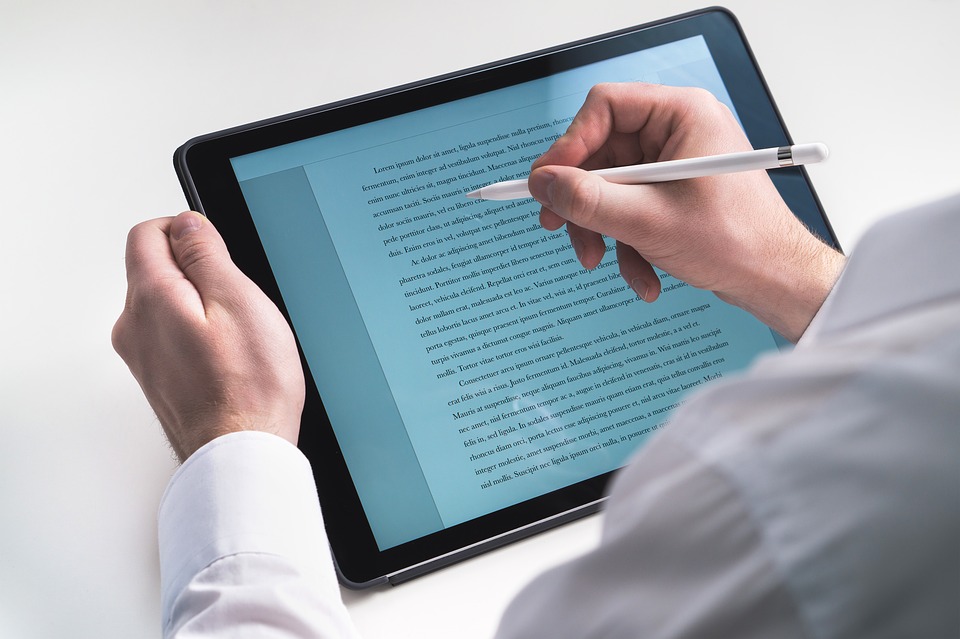
Ghotit Real Writer and Reader is an assistive technology that is available on Windows that can help individuals suffering from ADD/ADHD. Ggotit Real Writer and Reader enables itself to integrate itself with other familiar Windows applications such as Chrome, Microsoft Office, Firefox, etc. Furthermore, this assistive technology can be used as a standalone text editor.
This means that individuals can use it to edit their texts. Some of the key features of Ghotit Real Writer and Reader are a contextual spell checker, severe spelling correction, misused or confused word correction, grammar checker, self-algorithms, word prediction, and much more. This type of assistive technology is best for students who suffer from ADD/ADHD as they find themselves in a position where they may or may not need help with their assignments, projects, presentations, etc.
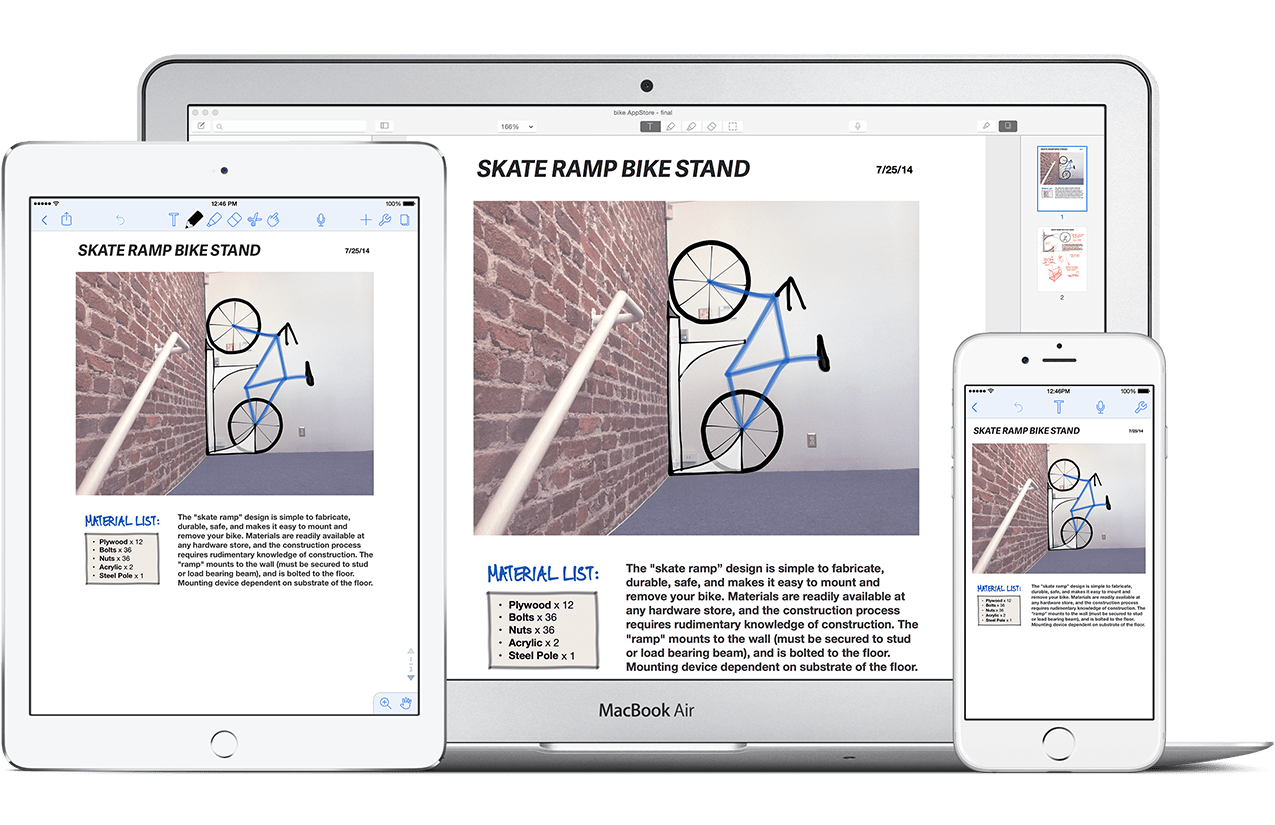
Notability is an assistive technology that allows its users to take notes more effectively. Those suffering from ADD/ADHD may find themselves in a position where they are unable to concentrate which ultimately causes them to take poor notes. This assistive technology is best for those who tend to forget stuff more often along with students, teachers, and office workers.
Some of Notability’s key features include combining handwritten notes, and photos and typing single notes, exploring ideas with different tools available through the software, finalizing details by zooming on specific areas or combining big pictures, etc.

Isolator is an amazing assistive technology that is made for individuals to concentrate on their work. This assistive technology is a perfect tool for those suffering from ADD/ADHD as it allows them to concentrate on their work rather than other things. Isolator is a small menu bar application that is turned on when you don’t want to be distracted. It will cover up the desktop and all of the icons on it and other windows of all the other applications that might be open so that the user can concentrate on their work. After the user is done their work, they easily turn the Isolator off.

Time Timer is an assistive technology that is built for those who easily lose track of time or get distracted by what they are doing. Individuals suffering from ADD/ADHD can use this assistive technology to help them keep track of their time. One of the key features of this assistive technology is its 60-minute visual timer that includes a re-disk to show exactly how much time is left, it includes no ticking noise like other timers but does include an alert option for those who would like to use it.
Time Timer is perfect for students, teachers, and even parents who either suffer from ADD/ADHD or have some close that is suffering. Students can use it when they are working on their homework or doing some other activities so that they can time themselves or practice timing themselves to get certain tasks done. Furthermore, teachers or professors can use it to time themselves or their students in a classroom setting along parents can use Time Timer to discipline their kids or help them build a habit of finishing their tasks on time.
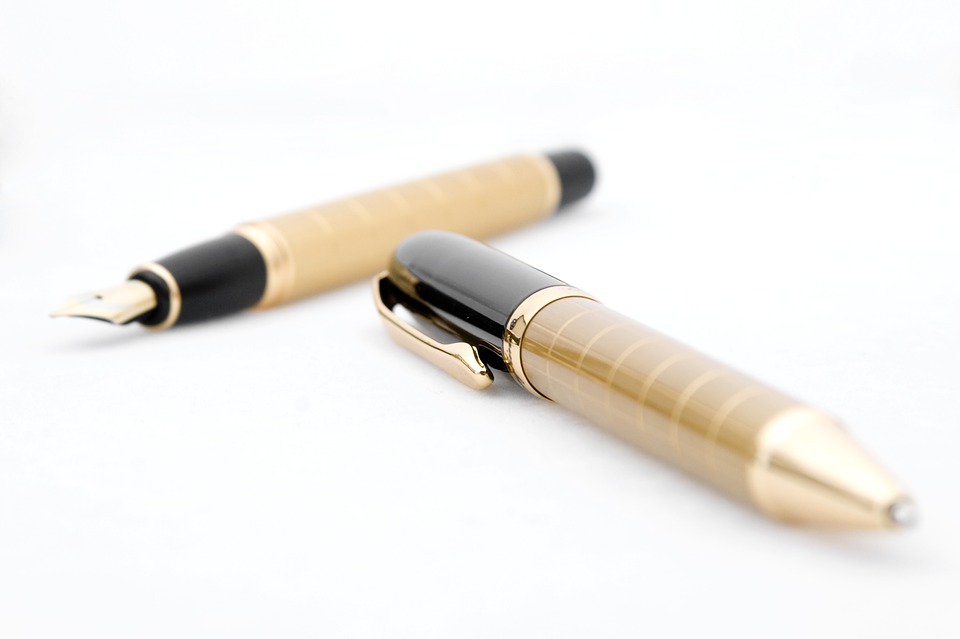
WizCom Tech Pen is an assistive technology that is built for those individuals who need help with tough words or vocabulary. Individuals suffering from ADD/ADHD can use this assistive technology to improve their vocab, especially students and teachers who may need it for themselves or others as they interact in a classroom setting.
Some of the key features of WizCom Tech Pen is that it allows its users to scan the word or line of text and then read it out to them, helps in reading fluency and comprehension, and speaks and shows letter by spelling, synonyms, and definition of scanned words or line of text includes a translation of English to Spanish and much more.
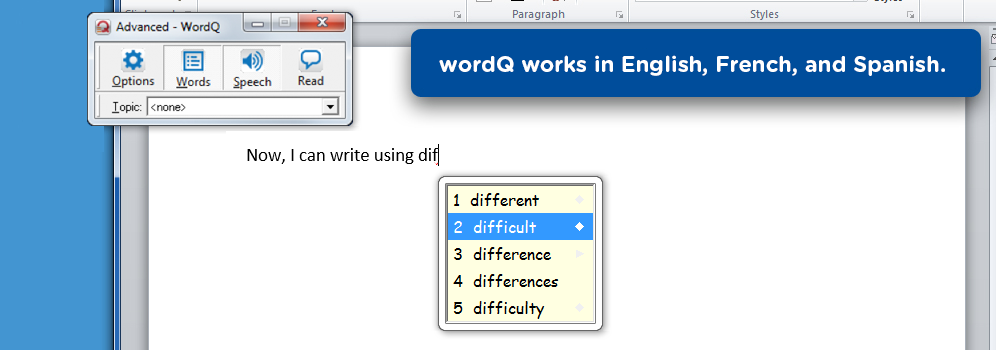
wordQ is an assistive technology that helps individuals by predicting the words that the users want to type thus improving their vocabulary and written expressions. This assistive technology can help assist students suffering from ADD/ADHD to produce correct sentences and paragraphs on a word processor. wordQ can integrate itself into applications such as Microsoft Word, Microsoft PowerPoint, Outlook, Gmail, Twitter, Facebook, Google Docs, etc.
This means that students along with others who may need help with their grammar are able to use wordQ on other platforms without having to worry about their spelling.
Some of the key features of wordQ are that it works even if the word is spelled wrong, offers a list of words similar in meaning to add variety to the user’s writing, gives examples for words that sound similar, and text reading software that reads the text out loud in a clear and pleasant voice that the user highlights, using text speech when the user writes or when grammar sounds off and bad punctuation disrupts the sentence structure and much more. Students suffering from ADD/ADHD can make use of wordQ software to work on their projects and assignments effectively.
Children suffering from ADD/ADHD which is considered a mental illness and entitled to receive ADHD Benefits through the Child Disability Tax Credit and Child Disability Benefit Canadian Government. ADHD disability benefits in Canada can help the child live a bright and prosperous life. Parents or guardians of the child can apply for Disability Tax Credit on behalf of their child by submitting the form T2201 to the CRA, For more information give us a call at our Toll-free number @ 1-844-800-6020.
In Summary
As people suffer from disabilities, they tend to work or function differently from others around them. The same goes for those who are suffering from ADD/ADHD. Some disabilities may be seen while others cannot. Therefore, those suffering from disabilities require extra attention, love, and care from their family, friends, and colleagues.
However, some of those individuals don’t want to burden others because of their disability while others just want to give themselves a chance to be able to stuff normally like others around them do whether it’s reading, writing, running, managing, etc. This is where assistive technologies play their role. These assistive technologies help individuals carry out their daily tasks on their own and that too perfectly.
The above-mentioned are a few assistive technologies that individuals suffering from ADD/ADHD can make use of to work effectively and efficiently. However, other individuals suffering from other disabilities or those suffering from none can also make use of the fabulous assistive technologies.
Check out our other Resources meant to help for Children Suffering from ADHD/ADD.
At Disability Credit Canada, we take pride in helping disabled Canadians claim the CPP & Disability tax credit. Check out our other Resources

Table of Contents Best Assistive Technologies for ADD/ADHD Assistive technologies are a helpful tool that allows individuals to work on tasks effectively. It doesn’t require individuals to take the help of others to work effectively. Similarly, these assistive technologies also help those who are suffering from disabilities. It can help them in various ways such […]
The Canada Revenue Agency received backlash for denying individuals suffering from Type 1 diabetes disability the right to receive disability tax credit despite having doctor’s certifications that entitle them to be eligible. According to the letter for Revenue Minister Lebouthillier released on Sunday, Diabetes Canada and other therapeutic associations grumbled that it will become extremely […]
Table of Contents Top 10 Mobile Apps For Those have autism spectrum Disability Credit Canada’s mission is to help disabled Canadians qualify for Long Term Disability Benefits, Disability Tax Credit & CPP Disability Benefits and then maximize their tax refunds & credits. We’ve worked with thousands of Canadians suffering from mental and physical disabilities and […]
Table of Contents Mobile Apps for Individuals with ADD/ADHD Disability Credit Canada’s mission is to help disabled Canadians qualify for Long Term Disability Benefits, Disability Tax Credit & CPP Disability Benefits and then maximize their tax refunds & credits. We’ve worked with thousands of Canadians suffering from mental disabilities and we understand how impactful your […]
Table of Contents What are assistive technologies for learning disabilities? Disability Credit Canada mission is to help disabled Canadians qualify for Disability Tax Credits, CPP Disability Benefits, and Long-term Disability benefits In this endeavor, we have worked with thousands of Disabled Canadians and we recognize the difficulties they face in their everyday life. Are […]
For decades millions of people have been living with a challenging and painful condition known as fibromyalgia. When the condition first appeared, many people were told they were simply getting older, or these were the normal aches and pains of daily life. All too often it was misdiagnosed as something else. So, what is fibromyalgia? […]
Top 9 Mobile apps to help people with Disability Today there are mobile apps for practically everything and everyone. New apps are being developed all the time for people who have a disability. These highly specific apps are designed to make life easier, and more fulfilling beyond just financial assistance through disability tax credit, and […]
Many parents throughout Ontario have often struggled to acquire the services and support their children require when they are diagnosed as having Autism Spectrum Disorder. There are still many people who don’t understand what ASD is, and so parents and their kids struggle both to cope with the condition and to educate those around them. […]
Introduction In this three-part series, the focus is on the CPP Disability Pension application process. This is something Disability Credit Canada knows a great deal about, and their expertise has been valuable to many Canadians. As millions of Canadians cope with a disability, some can continue working and earn a full salary, while others are […]
Disability and Depression The idea that some people find it difficult to cope with the onset or an ongoing disability while others cope extremely well isn’t a new concept. Yet, in our modern world, where we have new conveniences and technology to make life far easier for a person with a disability, why do some […]
People with mental illness may seem, on the surface, to have all the support they need in a country like Canada, where there is universal healthcare. However, the truth is that people with mental illness face many challenges and barriers when trying to access the full range of support they need to live a full […]
Prenatal Screening and Down Syndrome: Stigma, Choice, and Support Your chest tightens and your throat constricts. The low buzz builds into a sharp ringing in your ears and drowns out your words. But you know you said it aloud because the doctor nods. You know you said it aloud, but you don’t feel any better. […]